How Salesforce Automation Can Transform and Accelerate Your Business
In a rapidly changing business landscape, organizations must operate with precision, speed, and clarity. Manual sales processes—such as maintaining spreadsheets, tracking leads by hand, or depending on memory for follow-ups—often slow down operations and create inconsistencies. Salesforce automation solves these challenges by streamlining the entire sales cycle and improving how teams work, collaborate, and deliver results.
Understanding Salesforce Automation
Salesforce automation refers to a set of tools and automated workflows within a CRM system that handle repetitive sales activities. These include managing leads, monitoring customer interactions, tracking opportunities, generating reports, and maintaining communication logs. Instead of relying on manual updates, the system captures and organizes information automatically.
1. Faster and Smarter Lead Handling
Automation ensures every new lead is instantly categorized and routed to the right sales representative. This eliminates delays, reduces confusion, and enables faster responses—one of the most important factors in improving conversion rates.
2. Reliable Follow-Ups and Task Management
For many businesses, lost opportunities happen simply because someone forgot to follow up. Salesforce automation schedules reminders, creates tasks, and tracks interactions automatically. This keeps sales pipelines healthy and ensures no potential customer is overlooked.
3. Greater Sales Productivity
By reducing the burden of data entry and administrative tasks, sales teams can focus more on customer engagement and closing deals. Automation improves efficiency, allowing teams to achieve more with the same resources.
4. Strong Insight-Driven Decisions
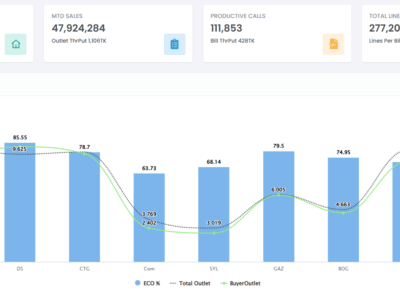
One of the major strengths of automation is real-time analytics. Salesforce provides dashboards and reports that update instantly with accurate data. Leaders can monitor sales performance, track team activities, identify trends, and forecast revenue with confidence.
5. Improved Customer Experience
With detailed customer history easily accessible, sales representatives can communicate more effectively and offer more personalized service. This builds trust, strengthens relationships, and helps retain customers for longer.
6. Scalable and Repeatable Sales Processes
As businesses grow, maintaining consistency becomes challenging. Automation ensures every member of the team follows standardized processes. This results in predictable outcomes, fewer errors, and smoother onboarding of new sales staff.
Why Automation Is No Longer Optional
Customer expectations are higher than ever. Businesses that depend on manual systems risk losing speed, accuracy, and customer confidence. Salesforce automation provides the structure and insight necessary to operate efficiently in a competitive environment. It reduces operational costs, supports faster decision-making, and enables teams to achieve sustainable growth.
Conclusion
Salesforce automation is more than a technological upgrade—it is a strategic advantage. By simplifying tasks, improving data accuracy, and enabling smarter engagement, it empowers businesses to build stronger relationships and secure more consistent revenue. Organizations that adopt automation today position themselves for long-term success and resilience in tomorrow’s market.